
The short answer
Start with organizations that would recognize the business offline.
Useful local links usually emerge from an existing relationship, a real contribution, or a resource the community needs. Map the business's associations, suppliers, projects, events, expertise, and local data before opening an outreach tool.
Where opportunity lives
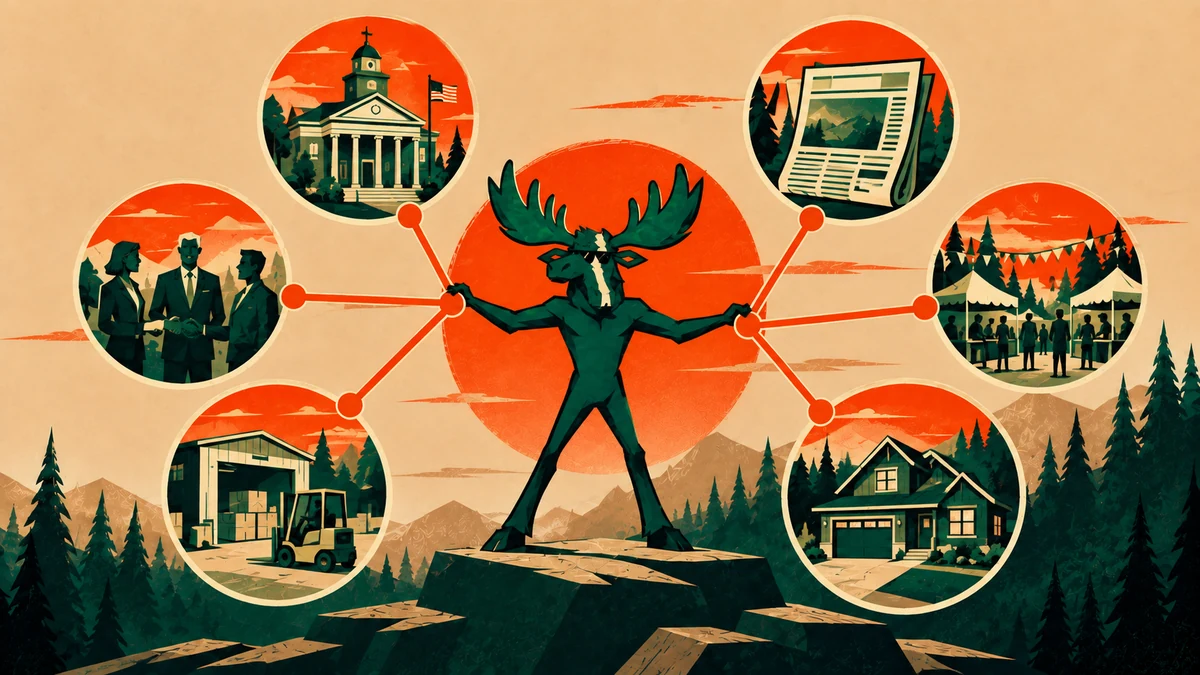
Five local source types worth investigating.
Trade groups and associations
Memberships, certifications, speaker profiles, resource libraries, and member expertise can create defensible references.
Suppliers and manufacturers
Approved-provider directories, project spotlights, training, and technical contributions can confirm operational relationships.
Local publications and reporters
Timely expert commentary, original market observations, and useful community data can support relevant coverage.
Projects and partnerships
Joint work, charitable participation, events, and case evidence can produce reciprocal recognition without becoming a link scheme.
Useful local resources
Permitting explainers, seasonal checklists, cost research, maps, calculators, and safety guidance can earn references when genuinely maintained.
The opportunity formula
Relationship + contribution + destination.
Relationship: why the business and source know or should know each other. Contribution: what the business can add for the source's audience. Destination: the page that completes that contribution. If one part is missing, fix the opportunity before outreach.
A service page is not always the answer. Project coverage may belong on a case study; expert commentary may cite a methodology; a community checklist may deserve its own resource.
Respect the editor
Lead with usefulness, not the requested anchor.
- Name the real connection or timely reason for contacting them.
- Offer one specific contribution their audience can use.
- Provide evidence, credentials, media, and a concise response deadline.
- Suggest the most useful page without dictating the wording of a link.
- Record the relationship even when no coverage is earned.
A focused first month
Build ten strong opportunities, not a thousand weak prospects.
Week one inventories relationships and existing mentions. Week two builds or improves the destinations those sources could cite. Week three prepares tailored contributions. Week four sends a small set of relevant pitches and records replies, coverage, referrals, and follow-on opportunities.
If the outreach would feel embarrassing without the SEO rationale, it is not ready.
From opportunity to authority
Authority work should leave behind evidence—not just a link count.
MooseRank's off-page SEO and authority building work evaluates the source, the reason for the mention, its context, the destination, the risk, and the business outcome as one system.
As a Long Island SEO services provider, MooseRank connects earned authority to the service and market pages customers actually need.
Build authority worth verifying
Pursue the sources that make the business easier to trust.
Bring the market, priority pages, current mentions, and competitor set. MooseRank will separate useful opportunities from noise and build a defensible campaign.
Straight answers
Common questions
01What is local link building?+
Local link building is the process of earning relevant mentions and links from organizations, publications, partners, and resources connected to a real geographic market or community.
02Do chamber-of-commerce links help SEO?+
A legitimate chamber membership can confirm local participation and send useful visitors. Its value depends on the organization, listing context, accuracy, audience, and the reality of the membership—not the label alone.
03Are local citations the same as backlinks?+
No. A citation confirms business facts such as name, address, phone, and category, while a contextual link recommends a destination inside useful material. Some listings do both, but the operating goals are different.
04Can sponsorships earn links?+
A real sponsorship can create legitimate visibility, but payment should be transparent and links should be qualified when appropriate. Do not treat sponsorship inventories as disguised editorial endorsements.
05What should local outreach say?+
Explain the real relationship, the contribution or resource being offered, why it helps that source's audience, and the most appropriate destination. Avoid template praise and demands for specific anchor text.
Primary sources
Documentation reviewed
- Google Search Essentials: spam policies
- Google Search Central: qualify outbound links
- Google Search Central: helpful, reliable content
Research note: official documentation was reviewed September 22, 2026. MooseRank's frameworks are practical decision aids, not Google scoring systems or ranking guarantees.

About the author
The Moose
The Moose is the Founder of MooseRank and writes about SEO strategy, AI search visibility, and the evidence businesses should use to make better search decisions.
Meet The Moose and the MooseRank system