
The short answer
Fix important contradictions before building more listings.
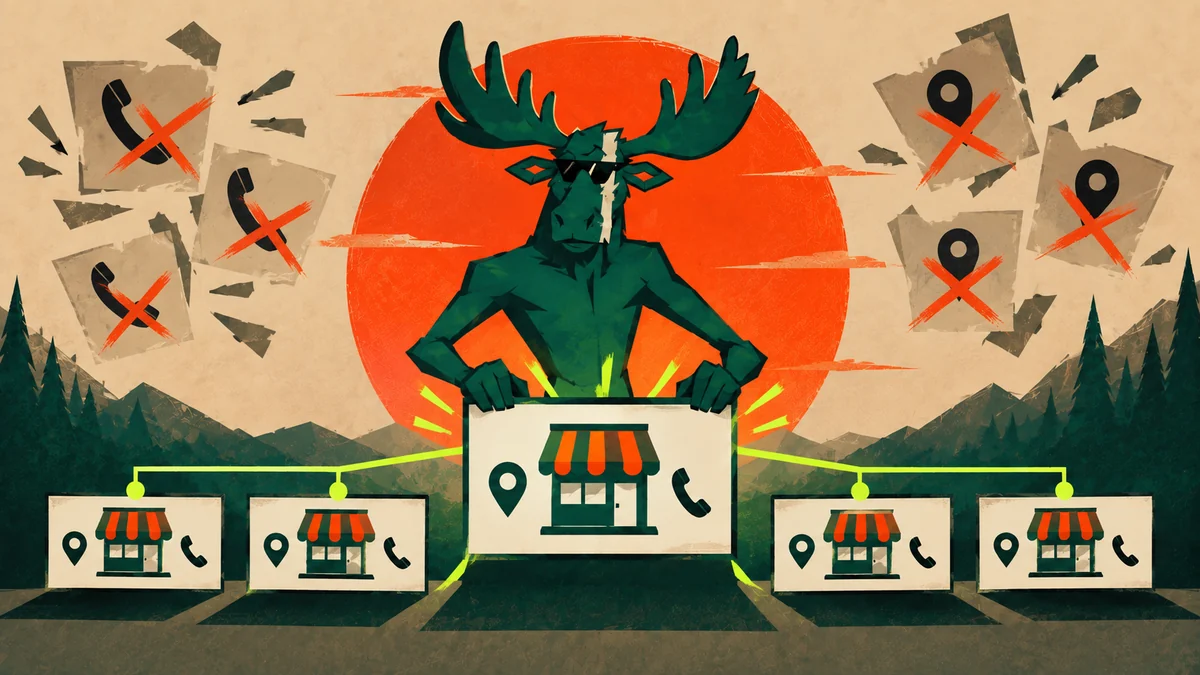
A local citation is a third-party reference to a business and its identifying facts. Prioritize sources that customers, search platforms, industry participants, and local institutions actually use. Correct old addresses, wrong phone numbers, duplicates, misleading categories, and broken website links before chasing citation volume.
Why citations exist
Google compiles business facts from several kinds of sources.
Google documents that Business Profile information can come from owner-provided data, publicly available web content, licensed third-party data, user contributions, and Google's own interactions with a place. That makes consistency a practical reconciliation problem—not a magic score.
The objective is to make one real entity recognizable across sources while giving customers the correct path to call, visit, or buy.
Priority framework
Audit citations in four tiers.
- 01
Core platforms
Major maps, search, navigation, social, and review platforms used by the market.
- 02
Industry authorities
Licensing bodies, associations, manufacturers, marketplaces, and respected trade directories.
- 03
Local authorities
Chambers, community organizations, local media, sponsorships, and relevant geographic resources.
- 04
Long-tail directories
Evaluate only when indexed, relevant, accurate, and useful enough to justify maintenance.
What to reconcile
Protect the facts that identify and convert the business.
- Name and entitySeparate harmless abbreviations from a genuinely different or outdated business identity.
- Address or service areaRemove public home addresses and old offices where appropriate.
- Phone and websiteFix dead lines, tracking-number confusion, HTTP variants, and obsolete landing pages.
- Category and hoursCorrect material mismatches that mislead customers about the service or availability.
Measure the work
A citation is valuable when it improves accuracy, authority, or discovery.
Record the source, existing record, correction, status, login owner, canonical URL, and date checked. Measure referral visits, calls, assisted conversions, branded discovery, and whether important conflicting data disappears.
MooseRank includes citation and entity consistency within its local SEO campaign, alongside profile, page, review, authority, and measurement work.
Build the local system
Turn local visibility into qualified demand.
MooseRank connects your Google Business Profile, website, reviews, citations, service territory, authority, and measurement inside one evidence-led campaign.
Straight answers
Local Citations: common questions
01What is a local citation?+
A local citation is a reference to a business on another website or platform, commonly including its name, address or service-area identity, phone number, website, category, hours, or other facts.
02Does every citation need identical formatting?+
The underlying facts should agree, but harmless formatting differences such as Street versus St. are less important than wrong phone numbers, old addresses, duplicate identities, or misleading categories.
03Which local citations matter most?+
Start with major maps and search platforms, primary industry directories, government or licensing records where applicable, respected local organizations, and sources that real customers use.
04Should I pay for hundreds of directory submissions?+
Not automatically. Audit the source quality, relevance, indexing, accuracy, and customer value first. More listings do not guarantee more qualified visibility.
Primary sources
Documentation reviewed
- Google Business Profile Help: How Google sources business information
- Google Business Profile Help: Edit your Business Profile
- Google Business Profile Help: Tips to improve your local ranking
Google’s explanation of its business-information sources was reviewed September 13, 2026. Google does not publish a universal citation-count target.

About the author
The Moose
The Moose is the Founder of MooseRank and writes about SEO strategy, local search visibility, and the evidence businesses should use to make better search decisions.
Meet The Moose and the MooseRank system